
Buying a home in another country is exciting. It can also bring a fair share of questions, and that’s perfectly understandable.
You’re not just choosing a property. You’re making a financial commitment, learning a different legal process, and trusting people to guide you through unfamiliar territory.
At Zona San Miguel Real Estate, we believe that good representation starts with listening, continues with clear information, and helps you understand the decisions you’re making along the way.
For Foreigners, buying property in Mexico can feel unfamiliar at first. The terminology is different, the legal process has its own rules, and transferring a significant amount of money across borders naturally raises questions.
The good news? The process is structured, and with the right guidance, it doesn’t have to feel overwhelming.
Found a home you love? Here’s what happens next, what to expect along the way, and how to make your purchase with confidence.
There is a moment when visiting properties in San Miguel de Allende becomes something more than just looking.
Perhaps it’s the morning light coming through a courtyard, the view from a rooftop terrace, or simply the feeling that you’ve found a place where you can imagine your next chapter.
And then comes the question: “I love this house. Now what?”
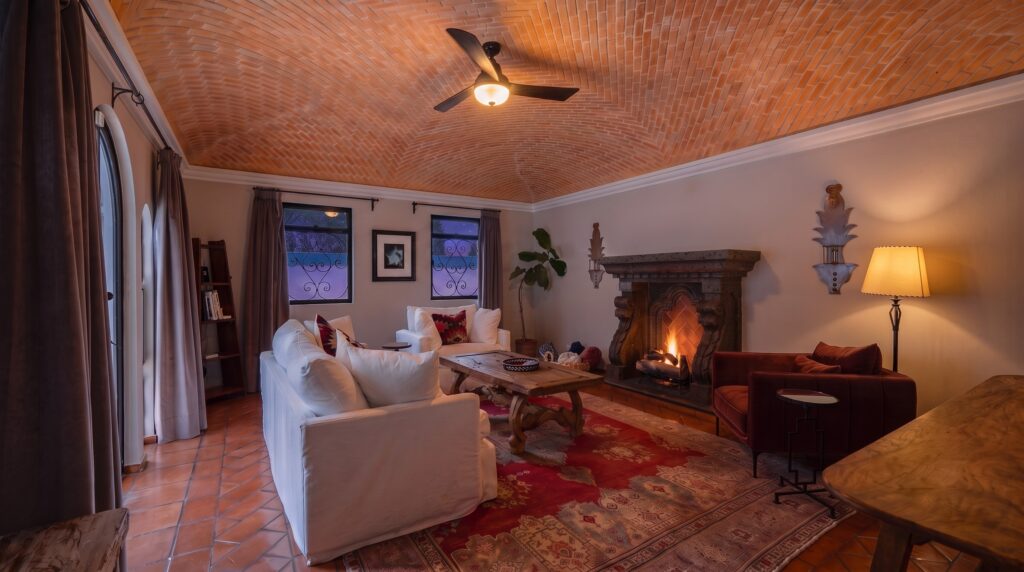
From making an offer to signing the final deed, here’s what you can expect when purchasing a home in San Miguel de Allende.
1. Making an Offer: Where It All Begins
You’ve found the right home. Now it’s time to talk numbers.
Making an offer is about more than deciding how much you’re willing to pay. It’s an opportunity to establish the terms that will shape your entire purchase.
Your offer will typically include the proposed price, payment method, preferred closing date, items included in the sale, and any conditions you’d like to address before moving forward.
This is also where understanding the local market makes a difference. A good negotiation isn’t necessarily about getting the biggest discount. It’s about reaching a fair agreement that makes sense for you and the property you’re buying.
And remember, a signed and accepted offer may create legal obligations depending on its terms, so it’s worth understanding the details before putting pen to paper.
2. The Purchase Agreement: Making Everything Clear
Once your offer has been accepted, things start to feel real.
The next step is usually a formal purchase agreement, often called a contrato de promesa de compraventa or contrato privado de compraventa, depending on its legal structure.
Think of this document as the roadmap for your purchase.
It establishes the agreed price, payment schedule, deposit, closing date, responsibilities of each party, and the circumstances under which the transaction may be modified or canceled.
This is one of those moments when clarity matters more than speed.
Questions such as “What happens if the closing is delayed?” or “Under what circumstances would my deposit be returned?” should have clear answers before you sign.
Every purchase is different, and contracts should reflect the actual agreement rather than rely on assumptions about how things work in the United States or Canada.
3. The Deposit and Escrow: Understanding Where Your Money Goes
For many international buyers, this is the step that brings the most questions.
After signing the purchase agreement, buyers typically make an initial deposit, often around 10% of the purchase price.In certain transactions, these funds are placed with an independent escrow company rather than paid directly to the seller.An escrow service holds and releases the money according to written instructions agreed upon by the parties.
It’s an important distinction: escrow is not the same as a fideicomiso, or bank trust used for ownership in certain parts of Mexico.
And while escrow can provide an additional layer of security, it isn’t automatically required in every transaction.
What matters most is understanding who is holding your money, when it can be released, and under what circumstances it may be returned.
4. Understanding the Home You’re Buying: The Property Condition Assessment
This is where buying a home in Mexico can be quite different from what North American buyers are accustomed to.
First, an important distinction: homes are generally sold “as is.”
In San Miguel de Allende, resale properties are generally purchased in their existing condition.
That means a property condition assessment isn’t necessarily an invitation to present the seller with a long list of repairs.
Instead, it’s an opportunity to understand the home you’re considering, from its overall state of preservation to the maintenance it may require in the years ahead.
This is especially valuable in a city like San Miguel de Allende, where homes often combine traditional construction (brick and concrete), handcrafted materials, older structures, and modern additions.
An assessment may look at roofing and waterproofing, electrical and plumbing systems, structural conditions, water storage, gas installations, and the general performance of the home’s equipment.
It can also help you anticipate future expenses.
Perhaps the waterproofing will need attention in a couple of years. Maybe the water heater is approaching the end of its useful life. Or perhaps the property is exceptionally well maintained for its age.
All of that information is useful.
What about certified home inspectors?
Unlike certain states and provinces in the United States and Canada, Mexico does not have a mandatory government licensing system specifically for professionals conducting standard residential resale inspections.
Property assessments may be performed by architects, engineers, construction specialists, or private inspection professionals. Their qualifications and methods can vary, so verifying their background and understanding the limitations of their report is important.
What happens if something needs attention?
Not every maintenance item is a reason to reopen negotiations.
Normal wear, cosmetic imperfections, and expected maintenance are part of owning an existing home.
Of course, significant conditions involving safety, structural integrity, or habitability deserve closer attention, and the parties may agree on an appropriate response.
Any right to request repairs, renegotiate, or cancel depends on the purchase agreement and applicable law. The goal isn’t to find a flawless home. It’s to truly understand the home you’re choosing.
A thoughtful assessment helps you make a decision with realistic expectations.
5. Due Diligence: Looking Beyond the Beautiful Details
A home can have wonderful architecture and still require a closer look at its paperwork.
That’s where legal due diligence comes in.
In Mexico, a notario público plays a central role in the real estate closing process. Unlike a notary public in the United States or Canada, a Mexican notario is a highly qualified legal senior attorney appointed by the state and the only official capable to formalize real estate transactions.
The review generally involves verifying legal ownership, the seller’s authority to sell, registered liens or mortgages, relevant property obligations, and the documentation needed for the transfer.
Depending on the property, additional attention may be required for construction permits, recorded measurements, condominium regulations, or other legal considerations.
Older homes and properties with substantial renovations may call for additional investigation.
This is also why physical and legal evaluations are two separate things: one helps you understand the building, while the other helps you understand the property rights you’re acquiring.
6. Foreigners can purchase eligible privately owned property directly in their own names in San Miguel de Allende, without establishing a fideicomiso (trust).
That’s because the city is located outside Mexico’s constitutionally restricted zone.
Foreign purchasers must still comply with applicable procedures involving the Mexican Ministry of Foreign Affairs (Secretaría de Relaciones Exteriores, or SRE).
These generally include an agreement called the convenio de renuncia, which addresses how the foreign owner is treated under Mexican law in matters concerning the acquired property. It does not mean giving up American or Canadian citizenship.
The notario helps coordinate the required documentation and the legal preparation for closing.
Since administrative requirements and processing times can change, it’s wise to begin this stage early and allow flexibility in the closing schedule.
7. Closing Costs and Final Payments: Knowing the Full Picture
The purchase price is only one part of your investment.
Before closing, you’ll also need to account for the expenses associated with transferring ownership.
These typically include acquisition taxes, notarial fees, registration costs, applicable government charges, and other administrative expenses.
As an initial budgeting reference, some straightforward cash transactions may involve buyer closing costs of approximately 5.5% – 6% of the purchase price. The actual amount can vary, and the notary should provide a transaction-specific estimate.
Currency is another detail worth discussing early.
Although many properties in San Miguel de Allende are marketed in U.S. dollars, taxes and official fees are calculated and paid in Mexican pesos.
8. Closing Day: A New Chapter Begins
After weeks of preparation, the day finally arrives. A final walkthrough is a good opportunity to confirm the home’s agreed condition, included items, keys, access devices, and utilities.
At closing, the purchase is formally documented before the Mexican notario. The parties sign the applicable public deed, and payments are completed according to the agreed terms.
The deed is then submitted for registration with the corresponding Public Property Registry. The final registered documentation may be delivered after the signing date.
And what about the keys?
Legal Possession and key delivery follow the signature of the deed, typically once the agreed closing and payment conditions have been satisfied.
And then comes the best part.
You open the door—not as a visitor, but as the new owner.
Welcome home.
How Long Does It Take to Buy a Home in San Miguel de Allende?
There isn’t a single answer that applies to every transaction.
For planning purposes, a relatively straightforward cash purchase may take approximately six to ten weeks, but this is only a general estimate.
SRE procedures, notarial documentation, property-specific issues, bank transfers, and other requirements can affect the schedule.
Transactions involving financing or more complex legal circumstances may take longer.
A realistic timeline, with room for the unexpected, is always better than an overly optimistic promise.
Frequently Asked Questions
Are houses in San Miguel de Allende sold as is?
Resale homes are generally purchased in their existing physical condition, subject to the contract and applicable legal protections. Buyers should consider normal wear, future maintenance, and the property’s age when making their decision.
Should I get a home inspection before buying?
Yes. We recommend understanding the property’s physical condition through an appropriate professional assessment. Its purpose is to inform your decision and help you anticipate maintenance needs, not automatically require the seller to make every suggested repair.
Is escrow required when buying property in Mexico?
No. Escrow is not universally mandatory, although an appropriately structured arrangement can provide additional safeguards.
Do Foreigners need a fideicomiso in San Miguel de Allende?
No. Foreign buyers can acquire qualifying privately owned property directly because San Miguel de Allende is outside Mexico’s restricted zone.
Can I complete a purchase without traveling to Mexico?
In certain cases, yes. A properly authorized legal representative may be able to complete the transaction on your behalf, subject to applicable notarial and legal requirements.
A Home Abroad. A Decision Worth Getting Right.
Buying a home in another country is exciting. It can also bring a fair share of questions, and that’s perfectly understandable.
You’re not just choosing a property. You’re making a financial commitment, learning a different legal process, and trusting people to guide you through unfamiliar territory.
At Zona San Miguel Real Estate, we believe that good representation starts with listening, continues with clear information, and helps you understand the decisions you’re making along the way.
No unnecessary complexity. No unrealistic promises. Just thoughtful guidance, local knowledge, and a genuine commitment to your interests.
Because buying a home abroad should feel like the beginning of something wonderful.
Thinking about making San Miguel de Allende your next home? We’d love to hear your plans.
Zona San Miguel Real Estate
Invest with Confidence.
Updated October 2026. This article is for general informational purposes and does not replace individualized legal, financial, or technical advice. Requirements and conditions should be confirmed for each transaction.
 From Offer to Ownership: A Step-by-Step Guide to Buying Property in San Miguel de Allende